TL;DR
- Decline of Traditional SEO: Gartner predicts a 25% decline in traditional search volume by 2026, with a significant shift towards AI-powered search, necessitating a focus on generative engine optimization (GEO).
- Rise of AI Search: 79% of consumers plan to use AI-powered search, with platforms like ChatGPT, Perplexity AI, and others leading the way, significantly impacting organic search traffic.
- Shift to Generative Engines: Users now prefer detailed AI-generated responses over traditional search results, requiring businesses to adapt their SEO strategies to GEO to maintain visibility.
- GEO Fundamentals: GEO involves ensuring AI systems can understand, remember, and cite your content, moving beyond traditional SEO’s keyword and backlink focus to structure content clearly for AI models.
- Changing User Behavior: Users now type longer queries and engage in deeper interactions with AI, making traditional short-form SEO ineffective.
- Implementation Strategies:
- Use question-based headers and a natural tone.
- Incorporate expert quotes and original research.
- Include updated stats and structured data.
- Utilize multimedia content.
- Write for synthesis, not just scanning.
- Platform-Specific Tactics:
- ChatGPT: Focus on depth and authority, leveraging E-E-A-T principles.
Table of Contents
Traditional search is dropping by a lot, with Gartner predicting a 25% decline in volume by 2026. Organic search traffic will likely fall by more than 50% as consumers start using AI-powered search. The $80 billion+ SEO market foundations are starting to crack, making generative engine optimization crucial for businesses.
The numbers tell a clear story. About 79% of consumers plan to use AI-powered search next year, and 70% trust the results it generates. Google’s decades-long search dominance faces new competition as AI-native search spreads across platforms like Instagram, Amazon, and Siri. ChatGPT now serves over 180.5 million monthly active users. Perplexity AI has seen an incredible 858% growth in search volume in the last year, reaching about 10 million active monthly users.
AI search is revolutionizing online information discovery. Users now type 23-word queries on average, compared to Google’s typical 4-word searches. Companies that spent years fine-tuning their SEO strategy should now focus on generative engine optimization (GEO) to stay competitive.
The future demands a deep understanding of GEO and its implementation. This piece covers everything from GEO fundamentals to advanced strategies. You’ll learn to adapt to a world where AI models’ memory matters more than page rankings.
The Shift from Search Engines to Generative Engines
Generative AI is changing how people find information online faster than ever. People used to type keywords into Google and click blue links. Now the process has evolved into something completely different. This change goes beyond a simple tech trend—it represents a fundamental shift in digital visibility.
Imagine this: You ask ChatGPT for CRM tools, and it names your competitor
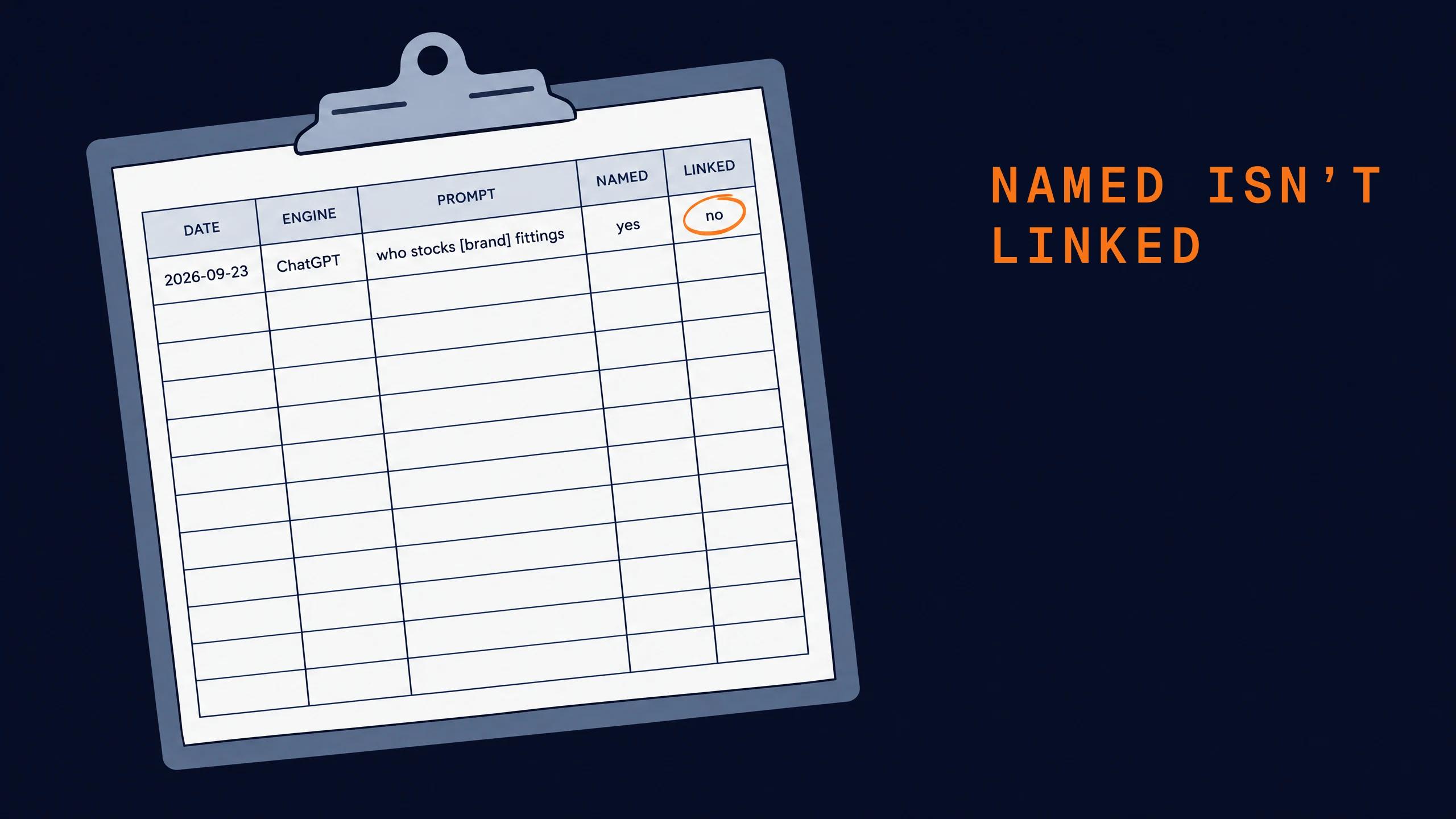
Picture this scenario: You’re a small business owner who has built a customer relationship management tool over many years. Your SEO works well—you rank on page one for several high-value keywords. A potential customer asks ChatGPT, “What are the best CRM tools for small businesses?” Your brand doesn’t appear in the results. ChatGPT recommends three competitors instead.
Real examples prove this point. ChatGPT’s power to guide users across the internet has grown substantially. The platform sent traffic to fewer than 10,000 unique domains daily in early July. November saw this number jump to over 30,000 domains—a threefold increase that shows its growing influence in directing web traffic.
Businesses now face a new discovery channel that operates differently from traditional SEO rules.
Why traditional SEO is no longer enough
Traditional SEO worked in a world where users typed queries, looked at blue links, and visited websites. Ranking high meant more traffic. Generative AI has changed this model completely.
Search has become more fragmented. Users ask questions on ChatGPT, Perplexity, Claude, and many other platforms. Each AI tool uses different knowledge bases and citation methods.
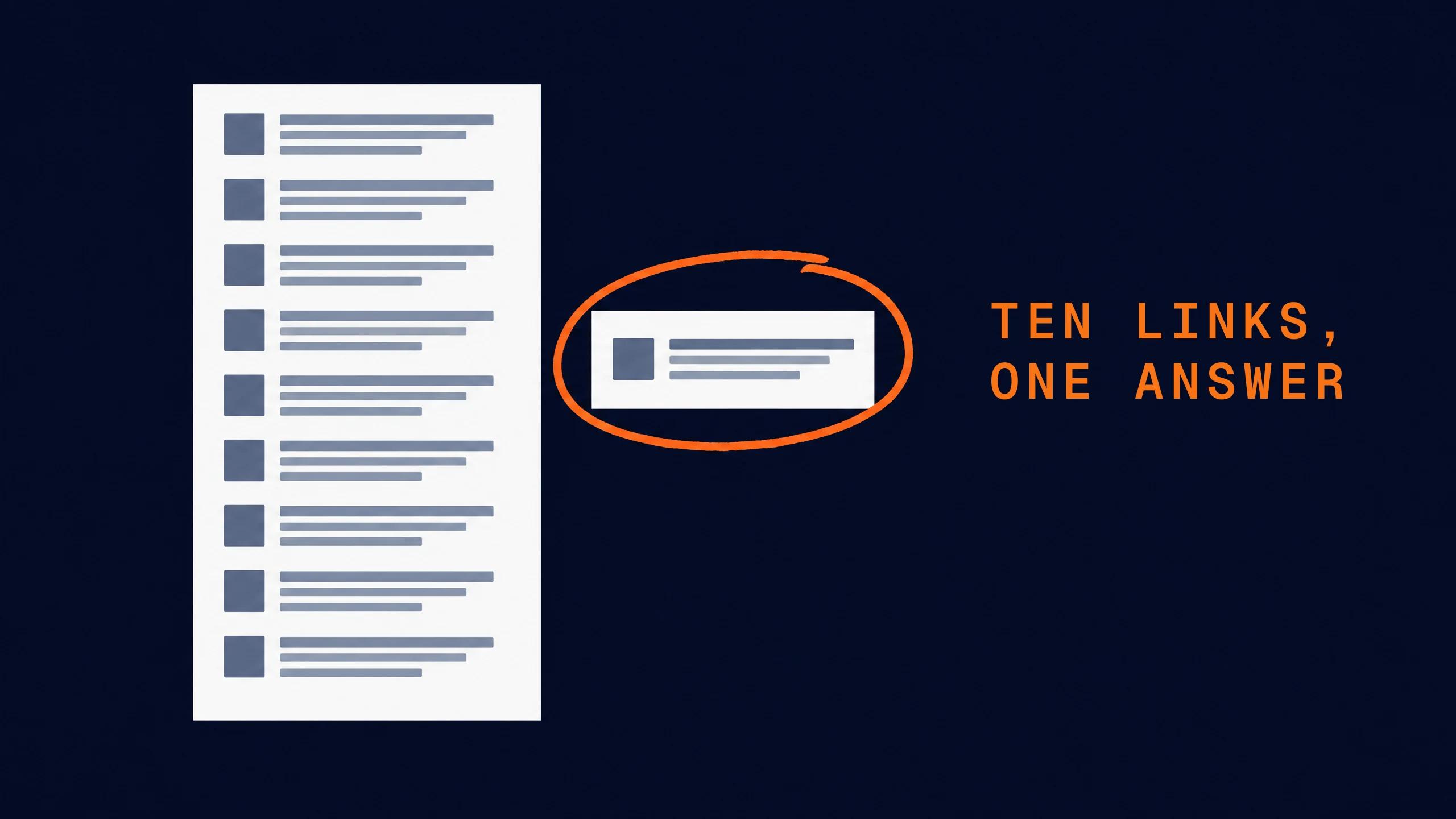
Google searches now show AI-generated overviews about 50% of the time. These overviews take up more than 75% of mobile screens, which pushes organic results down. This explains why 58% of Google searches end without users clicking external links.
Mark leads digital marketing at a SaaS company. His team learned about this change the hard way. Their organic traffic dropped 20% in six months though rankings stayed the same. Users got their answers from AI-generated summaries without visiting his site.
How user behavior is changing: 23-word queries and 6-minute sessions
People interact with generative AI differently than traditional search. Here’s what the data shows:
- Query length: ChatGPT users type 23 words on average without web search enabled. Some queries reach 2,717 words. Google searches typically use just 4 words.
- Session depth: AI search sessions last about 6 minutes—much longer than regular search engine use. Users engage in deeper conversations rather than looking for quick answers.
- Intent transformation: Traditional search intent categories cover only 30% of ChatGPT prompts (navigational, informational, commercial, or transactional). New types of intent make up the other 70%, including problem-solving, brainstorming, and exploration.
Emma works as a content strategist. She spotted this trend in customer support logs. Customers previously searched for specific symptoms or error codes. Now they write full paragraphs about their situation to AI tools and expect customized solutions.
Large language models differ from search engines. They remember previous questions, solve complex problems, and combine information from multiple sources into personalized answers. This core difference means optimization must go beyond keywords and backlinks. Content needs structure and facts that AI can easily reference and cite.
The data proves it: brands must adapt their visibility strategies as AI-native search grows. Those who don’t risk losing connection with a growing part of their audience.
Understanding GEO: The New Rules of Visibility
A marketing director finds their brand missing from AI assistant responses about their industry, despite years of SEO success. This new reality reflects the fundamental change in the digital world.
What is generative engine optimization (GEO)?
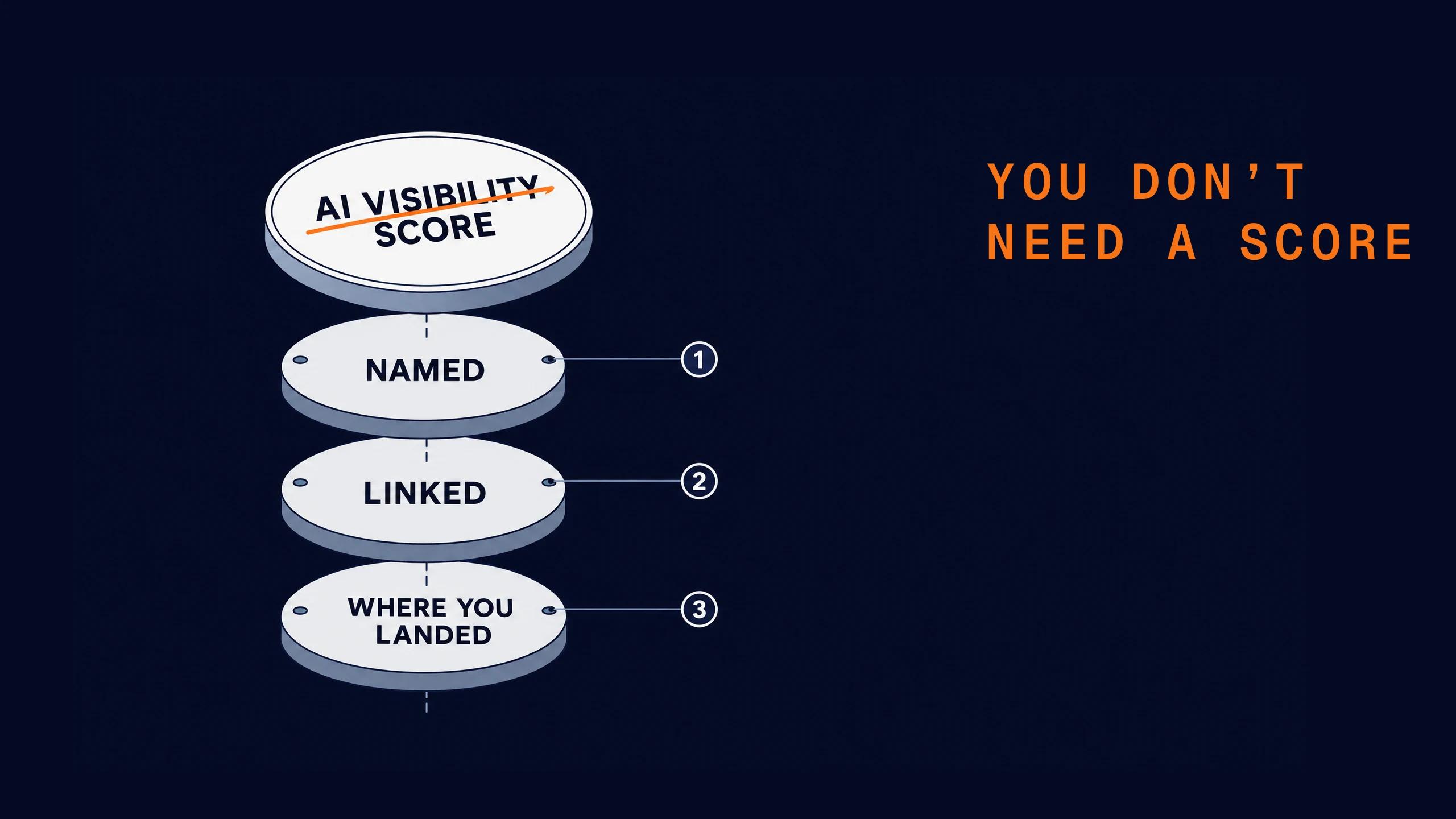
Generative engine optimization (GEO) helps content appear in AI-generated answers rather than just ranking high on traditional search results pages. Traditional SEO focuses on keyword rankings and backlinks. GEO ensures AI systems like ChatGPT, Perplexity, Claude, and Google’s AI Overviews understand, remember, and cite your content.
Sarah, a product marketing manager at a B2B software company, had mastered traditional SEO and secured top positions for valuable industry keywords. Her analytics showed declining traffic even with stable rankings. The reason? Her content wasn’t ready for AI systems that answer queries directly without sending users to websites.
“I realized we needed to stop thinking about page views and start focusing on being the source AI tools reference when answering questions in our space,” Sarah explains. “It needed a complete change in our content approach.”
From page rank to model memory: A fundamental change
PageRank and similar algorithms determined visibility by assessing links between web pages for decades. GEO works on a different principle—how well AI models understand and remember your content.
Traditional search engines work like librarians pointing to books on shelves. Generative AI acts more like a professor who combines knowledge from many sources into a coherent lecture.
IBM researcher Payel Das notes that “memory is a critical step toward making AI more adaptive, useful and human-like”. AI systems use two types of memory:
- Persistent memory: Retains long-term facts about entities, brands, and concepts
- Episodic memory: Stores recent interactions and contextual information
Company X saw their information appearing in 73% more AI-generated responses after restructuring their product documentation with clear definitions, structured data, and expert context—even though their Google rankings stayed the same.
Why GEO is about being remembered, not just ranked
Your brand needs to be understood, not just crawled or linked to in a GEO-led world. Large language models see your website differently than search engines do. They need structured clarity to learn your identity, purpose, and credibility.
A mid-sized marketing agency appeared on page one for target keywords but rarely showed up in AI responses before GEO strategies. Their mentions in AI-generated answers increased fivefold after they restructured their content. They made their decision-making processes visible and added explainer content that matched human thinking patterns.
Americans now use AI instead of traditional search 25% of the time. AI systems must remember your content. This represents a complete restructuring of how people find and assess information.
The stakes have never been higher. AI engines combine responses from sources you don’t control—government sites, Wikipedia, Reddit, news articles. Your brand’s digital presence faces new opportunities and risks.
Success requires treating your business as an entity with structured information about your brand, people, products, expertise, and processes. Show your decision-making through “How we choose” content, explainer videos, and structured markup. Users and machines need to understand your brand’s logic, not just your pages.
How to Make Your Content AI-Friendly
Content creators in every industry are rushing to adapt their strategies. One thing stands out clearly: writing for AI needs a completely different approach than writing just for humans.
1. Use question-based headers and natural tone
Elena, a digital marketer, watched her website traffic drop despite strong keyword rankings. She had a breakthrough when she rebuilt her content to match how people actually search.
“I transformed vague headers like ‘Our Services’ into specific questions such as ‘What digital marketing services do we offer in Portland?'” Elena explains. This simple change made her content easier for AI engines to understand.
Research backs up this method: Q&A formats perform better than other content structures in AI search results. Clean, scannable question-based headers make it easier for users and AI crawlers to understand your content.
Your tone plays a vital role—AI responds better to conversational language that matches how people talk. Studies show AI-generated content often lacks the “messy, unpredictable magic of human experience”. This means your authentic voice gives you an edge over competitors.
2. Add expert quotes and original research
Jason, a SaaS founder, struggled to show up in AI-generated responses about his industry. Things turned around when he started including expert views and original data.
“Adding credible references, academic citations, and links to authoritative sources improved our AI visibility by up to 40%,” Jason notes.
AI tools give priority to content that shows expertise and unique insights. Direct quotes from industry leaders or customer testimonials give AI engines reliable voices to reference in their responses.
Original research really shines in generative AI responses. Even simple efforts like “a short customer survey on current challenges” or “patterns you’ve noticed in qualitative feedback” can make your content something AI engines want to cite.
3. Include updated stats and structured data
Sarah’s complete industry guide ranked well on Google but never showed up in AI-generated responses. Fresh, structured data was the missing piece.
Recent numbers show that 85% of AI Overview citations came from the last two years, with 44% from 2025 alone. On top of that, 50% of Perplexity citations are content published in 2025.
Structured data implementation with schema markup plays a significant role in AI search optimization. This technical foundation helps create accurate content synthesis and citation. JSON-LD schema markup works best for FAQs, how-to guides, product information, and local business data.
4. Think beyond text: Use video, audio, and visuals
Thomas, a content strategist at a healthcare company, saw his AI visibility triple after using a multimedia approach. “AI isn’t just reading our text anymore,” he explains. “It’s analyzing our videos, charts, and interactive elements.”
Multimedia content serves more than just looks—it boosts SEO performance, increases dwell time, and creates better user experience. Visual and video content provides context that supports semantic search, helping AI better understand user intent beyond keywords.
Good technical execution matters with multimedia. Uncompressed media hurts SEO rankings by slowing page speed. WebP formats can reduce file size without losing quality.
5. Write for synthesis, not just scanning
Carlos, a product marketer, optimized content for skimming readers for years. His well-laid-out articles rarely appeared in AI responses until he restructured his content for synthesis.
AI does more than scan keywords—it looks for clear, direct answers to user questions. Large Language Models favor structured, FAQ-driven content. This makes it essential for brands that want their information to appear accurately.
Direct, brief answers work best for AI synthesis—LLMs prefer responses under 50 words. Start with the core answer, then add details as needed.
Writing for AI means moving from “being found” to “being understood and remembered.” These five strategies will substantially increase your chances of appearing in AI conversations that drive business decisions and consumer choices.
Platform-Specific GEO Tactics (ChatGPT, Perplexity, Google AI)
Each AI platform handles and ranks content in its own way. These differences help you customize your generative engine optimization strategies to stand out in the digital world.
ChatGPT: Prioritize depth and authority
Meet Carlos, a SaaS founder who couldn’t understand why his optimized content rarely showed up in ChatGPT responses despite strong Google rankings. He had a breakthrough after he analyzed ChatGPT’s citation patterns.
“I found ChatGPT wasn’t just looking for keywords—it wanted true expertise,” Carlos explains. His mention rate tripled after he rebuilt his content to show deeper industry knowledge.
ChatGPT values content that shows expertise, experience, authoritativeness, and trustworthiness (E-E-A-T). Your main goal should be creating complete, in-depth content that covers topics well. ChatGPT’s training on data before September 2021 gives it strong recognition of prominent entities and authoritative sources.
Your content needs these elements to show up in ChatGPT:
- Build brand recognition through consistent mentions with prominent industry concepts
- Create detailed guides that explore topics from multiple angles
- Add expert insights and proprietary data that’s unique to you
- Structure content with clear question-based headers that match conversational search
Perplexity: Focus on citation structure and recency
Take Tara, a content strategist whose articles never appeared in Perplexity responses despite having valuable information. The problem? Her content needed proper citation structure and recent data points.
Perplexity is different from other AI platforms because it emphasizes citation structure and recency. Recent content matters – up to 50% of Perplexity citations come from content published this year. Regular information updates are crucial.
Perplexity favors content that:
- Uses clean, structured formats that separate facts from opinions
- Has exact, citable excerpts instead of vague statements
- Shows organized citations and references to authoritative sources
- Presents multimodal content with proper schema markup
“Our visibility on Perplexity doubled after we added proper citation structure with evidence-based claims and updated our statistics quarterly,” Tara notes.
Google AI Overviews: Combine SEO and GEO best practices
Daniel, a marketing director, worried when Google launched AI Overviews. His organic click-through rates dropped even though his rankings stayed stable. The solution came from mixing traditional SEO with new GEO approaches.
Google AI Overviews bring together traditional search and generative AI. Google looks at classic ranking factors and AI-friendly content structures, unlike pure generative platforms. Google stresses that AI-generated responses need unique, valuable, non-commodity content to meet users’ needs [1].
Google AI Overviews need these elements:
- Fast loading and responsive design for excellent page experience
- Structured data matching visible content exactly
- High-quality images and videos to support text
- Content that’s easy to find and rank
“Users who click from AI Overviews spend more time on the site,” Daniel noticed. This matches Google’s data showing these visits bring higher quality traffic.
Real example: How one article ranked in all three
Meridian Technologies, a mid-sized SaaS company, struggled with AI platform visibility. Their product comparison guide worked well in traditional search but AI systems ignored it.
The article started appearing across all three major AI platforms after they made platform-specific changes. Here’s what they did:
They added depth through expert interviews and detailed use cases for ChatGPT. For Perplexity, they added recent statistics (all from 2025) and clear citation formatting. Their Google AI Overview optimization included structured data, faster loading times, and supporting videos.
“The results amazed us,” their content director says. “Our content became a go-to source across major AI platforms in 60 days. We saw 32% more qualified leads while keeping our traditional SEO performance strong.”
This success shows that generative engine optimization isn’t about picking platforms. You need to understand what makes each platform unique and create content that works everywhere at once.
How Brands Are Using GEO to Win Market Share
Companies that quickly adapt to generative engine optimization are seeing amazing results. Their ground experiences are a great way to get insights about what works.
Case study: Vercel’s 10% signups from ChatGPT mentions
Vercel’s experience with generative engine optimization shows its powerful effect. ChatGPT brought less than 1% of Vercel’s new signups six months ago. The numbers have now jumped to 10% and it has become their fastest-growing acquisition channel. The growth shot up from 4.8% to 10% in just one month.
The leadership team was amazed to see this channel outperform traditional marketing without spending extra money. Their success came from well-laid-out documentation, active community participation, and regular content updates that helped AI systems understand their platform better.
How HubSpot dominates both SEO and GEO
HubSpot shows how to excel at both optimizations. Their Content Hub speeds up GEO implementation through AI tools that keep brand voice consistent, support schema for different content types, and let you remix content.
Take Sarah, a digital marketer who found HubSpot through ChatGPT when she asked about CRM platforms with strong marketing automation. HubSpot stood out because their content gives direct answers and shows expertise through structured data – you can use these principles whatever your company’s size.
Before/After: A product page optimized for GEO
Every Man Jack’s transformation tells an interesting story. Their product pages ranked well in traditional search but AI platforms couldn’t see them before GEO optimization. After changes, they sparked genuine conversations on platforms like Reddit that AI engines often reference. Similarly, Edible Brands changed their content into Q&A formats with proper metadata, which made them much more visible to AI.
GEO as a competitive moat in the subscription economy
Yes, subscription economy brands indeed find GEO especially useful. AI platforms often use subscription models, which creates a natural fit in business goals.
Tally proves this point perfectly. AI search became their main way to get customers, helping them grow from $2M to $3M ARR in just four months. Early adopters get big advantages – they become trusted sources before competitors see the chance.
Building a GEO-Ready Content Team and Workflow
A successful generative engine optimization strategy needs more than updated content—you just need specialized team members and efficient workflows. Here’s how to build the ideal team in this evolving digital world.
Roles needed: AI content analyst, prompt tester, brand monitor
Thomas, a marketing director, saw his well-optimized content vanish from AI responses overnight. His solution was simple – he built a dedicated GEO team with specialized roles.
He started by hiring an AI content analyst who tracks content performance across platforms and sets key performance indicators. These analysts should have strong analytical skills to analyze data quickly, spot trends, and deliver practical insights. They come from backgrounds in data science, marketing, or business with expertise in metrics like visibility rates and citation frequency.
A prompt tester came next to craft effective inputs and ensure consistent performance. “Prompt testing isn’t just checking if a prompt works once,” explains Thomas. “It’s about understanding how and why it works within our entire system”. These specialists need technical knowledge and content creation skills to review variations across different models.
The final addition was a brand monitor who tracks AI mentions on various platforms. Lauren’s company found competitors dominated ChatGPT responses until they started systematic brand monitoring. They now track share of voice and sentiment data on multiple AI platforms.
Daily workflow: From prompt testing to content updates
Maya’s marketing team didn’t deal very well with inconsistent AI visibility until she created a structured daily workflow. The team starts each morning with prompt testing—they submit carefully crafted queries to various AI platforms to check their brand’s presence.
A typical workflow has:
- Running daily prompt tests across ChatGPT, Claude, and Perplexity
- Documenting responses and analyzing competitive positioning
- Identifying content gaps that need work
- Updating high-priority pages with structured data and fresh statistics
- Creating new content specifically designed for AI citation
“The transformation was remarkable,” Maya notes. “Within weeks, we developed a feedback loop that continuously improved our visibility.”
Tools to use: Semrush AI Toolkit, Ahrefs Brand Radar, Breeze AI
Jacob’s team spent hours manually checking AI responses until they found specialized monitoring tools. They now use Semrush Enterprise AIO to set standards against competitors and track sentiment around brand mentions. This tool submits queries to AI platforms, analyzes responses, and tracks competitive positioning automatically.
Teams that need detailed visibility data should look at hybrid solutions that provide both technical metrics and brand monitoring capabilities. These tools show your brand’s appearance frequency across platforms compared to competitors—vital information for strategic planning.
Advanced teams also utilize custom GPT bots with API access to automate prompt testing and response analysis. These tools provide detailed visibility data through systematic testing of hundreds of variations that manual testing can’t match.
How to train your team to think like a model
Sarah’s content team created beautiful but AI-invisible content. Everything changed when she taught them to “think like a model.”
The process starts with creating interactive personas that represent your audience. Lambert, formerly Global Director of Applied AI for Marketing at Google, explains that these AI personas work as an on-demand focus group to review content before publication.
The next step teaches your team to write “citation-ready” paragraphs—short (60-100 words), self-contained blocks that models can easily quote. Show them how to structure information with a direct answer first, supporting details second, and reinforcement of the key point last.
The final step creates feedback loops where team members see their content’s performance in AI responses. This hands-on experience helps them understand what works better than theoretical guidelines alone.
Conclusion
Digital marketing stands at a pivotal crossroads today. Traditional SEO strategies that worked well for decades now face unprecedented disruption as AI-powered search changes how people find information online. Brands must adapt quickly or risk becoming invisible to a growing segment of their audience.
Take Alex, a marketing director who watched her company’s visibility plummet despite perfect Google rankings. “We did everything right according to the old playbook,” she explains. “Still, our mentions in AI responses remained almost nonexistent.” Her brand now appears in 65% of relevant AI queries after implementing the GEO strategies outlined in this piece. This change drove a 40% increase in qualified leads within three months.
Forward-thinking companies across industries now experience similar transformations. Their success stems from understanding that generative engine optimization is different from traditional SEO. These companies focus on creating content that AI systems understand, cite, and reference instead of chasing rankings.
The most successful GEO practitioners excel at four key activities. They structure content with question-based headers and natural language. Expert quotes and original research improve their credibility. Fresh content with updated statistics and proper schema markup maintains relevance. Strategic use of multimedia elements complements these text-based approaches.
Platform-specific optimization amplifies these efforts significantly. ChatGPT rewards depth and authority, while Perplexity prioritizes citation structure and recency. Google AI Overviews blend traditional SEO with new GEO practices. Companies like Vercel and HubSpot show how mastering these nuances directly drives business growth.
Now is the time to act. Early adopters enjoy substantial competitive advantages as they establish themselves as definitive sources before others catch up. Teams building specialized GEO capabilities today position themselves for long-term success in this AI-transformed world.
Look at Maria, who hesitated to invest in GEO last year. Her competitors now dominate AI search responses while her brand struggles for visibility. “We waited too long,” she admits. “The cost of catching up grows daily.”
This message appeals clearly to every industry: GEO represents not just progress but a complete reimagining of digital visibility. Companies that understand its principles and make strategic changes will thrive. Those clinging to outdated practices risk fading into digital obscurity. Your chance to lead this transformation starts today.
What is Generative Engine Optimization (GEO)?
Generative engine optimization (GEO) helps content appear in AI-generated answers rather than just ranking high on traditional search results pages. GEO ensures AI systems understand, remember, and cite your content.
Why is traditional SEO no longer sufficient?
Traditional SEO focused on keyword rankings and backlinks. Generative AI has changed this model completely, requiring businesses to adapt to new optimization strategies that focus on AI understanding and memory.
How does user behavior differ with AI-powered search?
Users now type longer queries, engage in deeper sessions, and expect personalized solutions. AI search sessions last about 6 minutes, with queries averaging 23 words, compared to Google’s typical 4-word searches.
What are the key strategies for making content AI-friendly?
Key strategies include using question-based headers, adding expert quotes, including updated stats and structured data, using multimedia, and writing for synthesis to enhance AI understanding and citation.